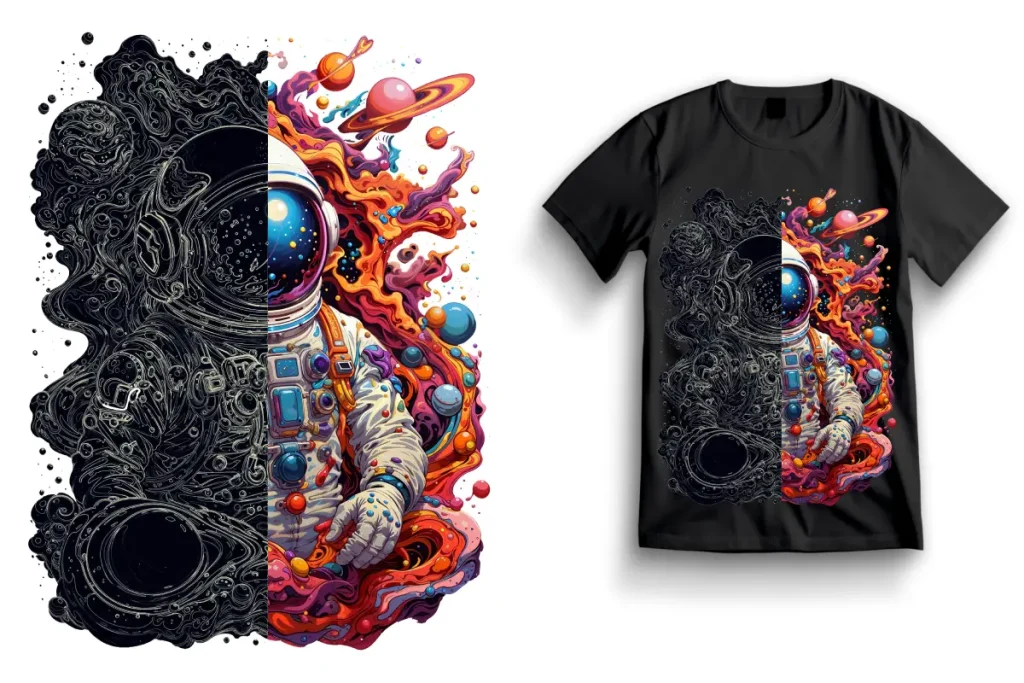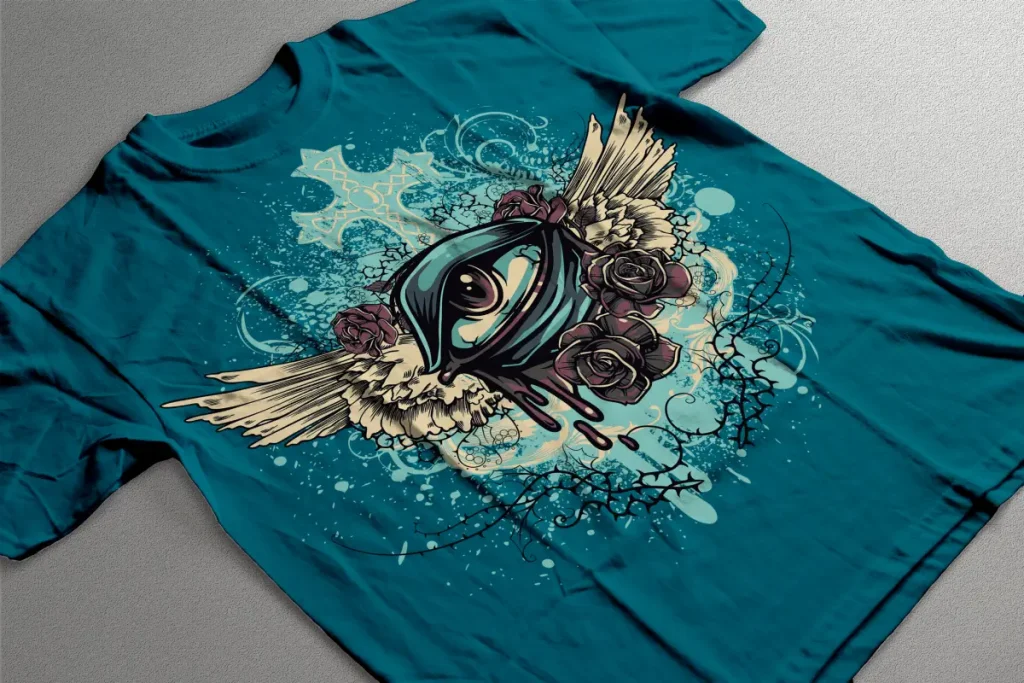
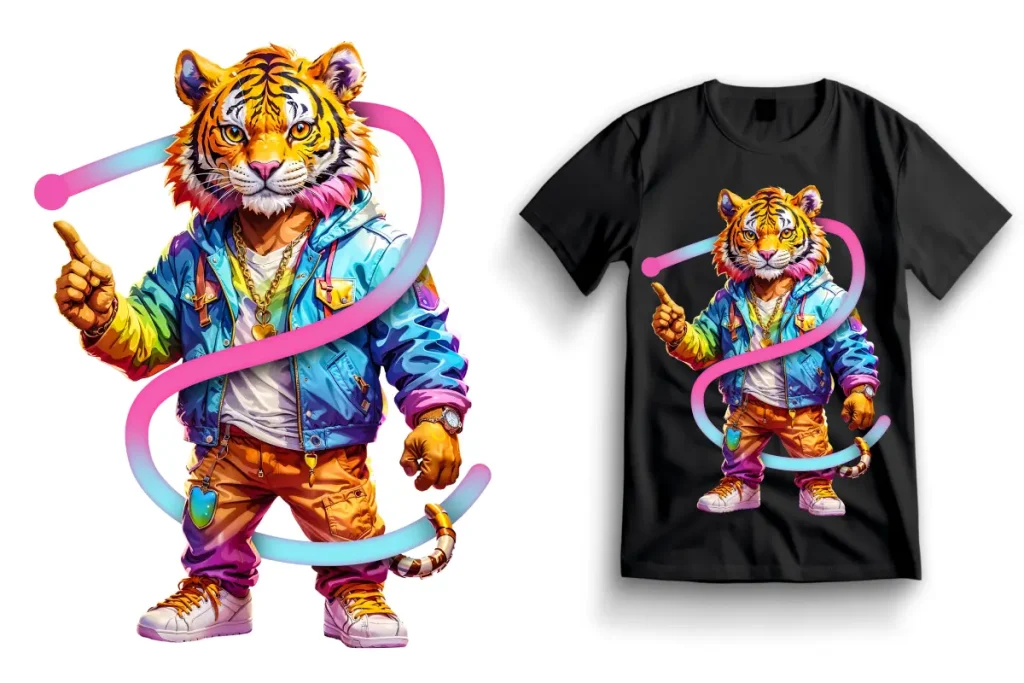
The apparel manufacturing sector is witnessing a massive technological shift, driven by independent creators and commercial print shops who want to break free from traditional production bottlenecks. If you are trying to scale a clothing label or launch a custom merchandise line, finding a decoration method that balances vibrant color quality with rugged washing durability is the ultimate key to success. This is exactly where high-grade dtf transfers come into play, completely redefining the economics of textile printing. By eliminating the tedious setups of screen printing and bypassing the fabric restrictions of sublimation, this digital innovation allows anyone to apply full-color, photographic-quality imagery to virtually any garment with ease.
The Production Science Behind Modern Film Application Systems
To fully understand why this system has captured the global garment market so rapidly, it helps to analyze the technical steps that occur before the design ever touches a heat press. The process centers on a translucent, clear film carrier sheet coated with advanced release agents. An industrial printer deposits premium textile inks onto the film layer, using a sophisticated dual-stage layering technique where the colored CMYK graphics are immediately backed by a solid, high-density white underbase. This specific configuration is what gives DTF technology its immense versatility, allowing the graphics to look bright and perfectly opaque even when applied to jet-black garments.
While the digital ink is still completely wet on the film surface, the sheet moves through an automated powder unit where a specialized hot-melt polyurethane powder is evenly spread across the design. The resin particles bind exclusively to the wet ink sections, leaving the non-printed areas of the clear film entirely clean. The roll then enters a calibrated curing oven that melts the adhesive powder into a smooth, ultra-flexible, and stable solid layer. This smart manufacturing workflow allows print shops to build a large inventory of cured sheets weeks in advance, storing them safely until orders arrive, which completely eliminates the risk of unsold pre-printed garment stock.
Universal Fabric Compatibility: Breaking Traditional Barriers
For decades, custom garment creators were forced to make strict compromises based on the fabrics they wanted to decorate. Sublimation printing offered beautiful results but forced shops to use white or very light-colored polyester materials. Traditional screen printing delivered incredible retail depth but became financially impossible for multi-colored designs on short production runs. Selecting premium dtf transfers removes these roadblocks completely, providing a universal chemical bond that adapts perfectly to almost any commercial textile on the market:
- 100% Cotton and Pre-Shrunk Fleece: Achieves a deep, permanent bond on heavy garments without requiring any chemical sprays or complex liquid pre-treatments.
- Performance Polyester and Athletic Nylon: Provides highly flexible adhesion that stretches naturally with sportswear, resisting the cracking caused by old-fashioned vinyl films.
- Rugged Canvas and Coarse Denim: Grips deeply into heavy textile weaves, making it a perfect match for custom tote bags, industrial workwear, and denim jackets.
- Synthetic Tri-Blends and Blended Materials: Adapts effortlessly to delicate, lightweight lifestyle fashion items, keeping the interior of cozy hoodies soft and comfortable.
Overcoming Supply Chain Challenges with Local Fulfillment
In the high-speed world of custom e-commerce and retail merchandising, production speed is just as critical as visual quality. When an unexpected corporate client contacts your business with a massive promotional event order that needs to be delivered within forty-eight hours, relying on long-distance national shipping channels exposes your entire operation to severe transit risks, weather delays, and high shipping surcharges. This common operational headache explains why successful brand owners frequently search for elite dtf transfers near me to establish a highly responsive, regional production partnership. Working with a localized facility gives you the physical agility to collect your materials quickly and load your heat presses without losing a single productive business day.
Furthermore, local sourcing enables a zero-inventory print-on-demand fulfillment model that dramatically improves your business cash flow. Instead of spending large sums of capital on bulk quantities of pre-printed shirts that might sit on warehouse shelves for months, you can maintain an inventory of blank garments and collect your custom print films locally as active orders come in. This lean manufacturing method gives your brand the creative freedom to test new design concepts, drop limited-edition style capsules, and respond to sudden social media trends instantly, all without risking significant financial losses on unsold physical merchandise.
Dominating the Texas Custom Apparel Market
The custom apparel ecosystem across the Lone Star State is remarkably robust, and securing the absolute best dtf transfer at Houston requires looking past basic desktop setups to find commercial-grade manufacturing infrastructure. The regional market features hundreds of hobbyists operating modified small-scale printers that lack proper ink circulation systems, resulting in thin white layers and prints that flake apart after a few runs through a domestic washing machine. True commercial production demands wide-format industrial printing platforms equipped with continuous vacuum belts, automatic powder recirculation systems, and precision heating chambers that guarantee perfect uniformity across every single print roll.
For independent fashion brands operating in this energetic market hub, partnering with a premier Houston dtf transfer specialist ensures that your finished products can confidently compete with national retail clothing chains. The local climate demands garments that can endure high humidity, intense heat, and frequent heavy laundering. Sourcing industrial-grade prints built with high-stretch inks and premium TPU resins guarantees that your athletic uniforms, corporate logos, or high-end streetwear hoodies keep their sharp edges and bright colors over years of constant wear, preserving your brand reputation in the eyes of your customers.
Step-by-Step Pressing Guide for Professional Results
Even the absolute highest grade of digital film will fail to perform if your heat press settings are inaccurate. Achieving a permanent chemical bond requires precision and attention to detail during the application phase. Use these professional guidelines to ensure perfect results:
- Calibrate the Equipment: Do not rely solely on the digital readout of an old heat press. Use an infrared thermometer to verify that the heating plate reaches an even 300 degrees Fahrenheit across its entire surface area.
- Purge Fabric Moisture: Always clamp your blank garment down for 5 to 7 seconds prior to aligning your design. This drives out trapped atmospheric moisture and flattens out stray textile fibers that could interfere with the adhesive layer.
- Apply Firm, Balanced Pressure: A weak clamp pressure is the leading cause of edge peeling. Ensure your press is set to a solid medium-to-heavy pressure setting so the liquefied adhesive powder is forced directly into the weave of the fabric.
- Respect the Cooling Cycle: If your film is labeled as a cold-peel product, let the garment cool completely down to room temperature before attempting to remove the plastic carrier sheet. Peeling while the ink is still warm can distort fine text and intricate graphics.
- Execute the Post-Press Lock: Always cover the exposed print with parchment paper or a textured silicone sheet and press for a final 5 seconds. This final step drives the design deeper into the garment fibers and eliminates any artificial glossy sheen.
Frequently Asked Questions About Direct-to-Film Printing
What file specifications produce the sharpest results for custom printing?
To ensure flawless edge rendering and immaculate color transitions, all design files should be exported at a minimum resolution of 300 DPI with a completely transparent background. Vector formats such as PDF, EPS, or AI are highly recommended, along with high-resolution transparent PNG files scaled exactly to the final print dimensions.
Can these digital prints be applied to garments using a common household clothing iron?
While a home iron can technically melt the adhesive powder, it cannot deliver the uniform, sustained heat and heavy, balanced downward pressure required to forge a permanent commercial bond. For products intended for retail sale or commercial uniforms, a professional heat press machine is absolutely mandatory to prevent premature washing failures.
How many laundering cycles can a high-quality film print survive?
When manufactured with commercial-grade pigment inks and applied using the correct pressure metrics, standard prints can easily withstand 50 to 60 domestic washing cycles before showing any minor signs of texturing or fading. Laundering the clothes inside out with cool water and drying them on low heat will extend the structural lifespan of the design even further.
How do anti-migration powders protect prints on dyed polyester shirts?
When standard white ink is pressed onto synthetic dark fabrics like polyester, the intense heat can cause the fabric dyes to liquefy and bleed into the white backing ink, turning a clean white logo into a dull grey or pink color. Anti-migration powders contain advanced carbon blocks that intercept these gaseous dyes, preserving your original colors perfectly.
Setting the Industry Standard for Quality Production Solutions
Expanding an independent clothing business or fulfilling complex industrial uniform contracts requires an absolute commitment to quality control across every single piece of inventory you ship out. At Harwin DTF, we act as a dedicated extension of your creative studio, providing robust, commercial-grade digital printing solutions engineered specifically to survive the wear and tear of daily life. By combining advanced industrial machinery with high-stretch inks and premium adhesive powders, we deliver prints that maintain brilliant color saturation and an incredibly soft feel over years of continuous use. Teaming up with our technical specialists allows you to focus all your energy on growing your design catalog and building your brand presence, completely confident that your final products will always meet the highest standards of professional execution.